
This month, my social media posts centered around SPRINGING FORWARD after surgery. If you’re preparing for hernia surgery (or currently recovering) it’s normal to have questions about getting back to your normal life. April’s content brings together everything you need to know, from physical therapy and strength training to pain returning to normal activities.
The biggest question I answered was: what is PT?
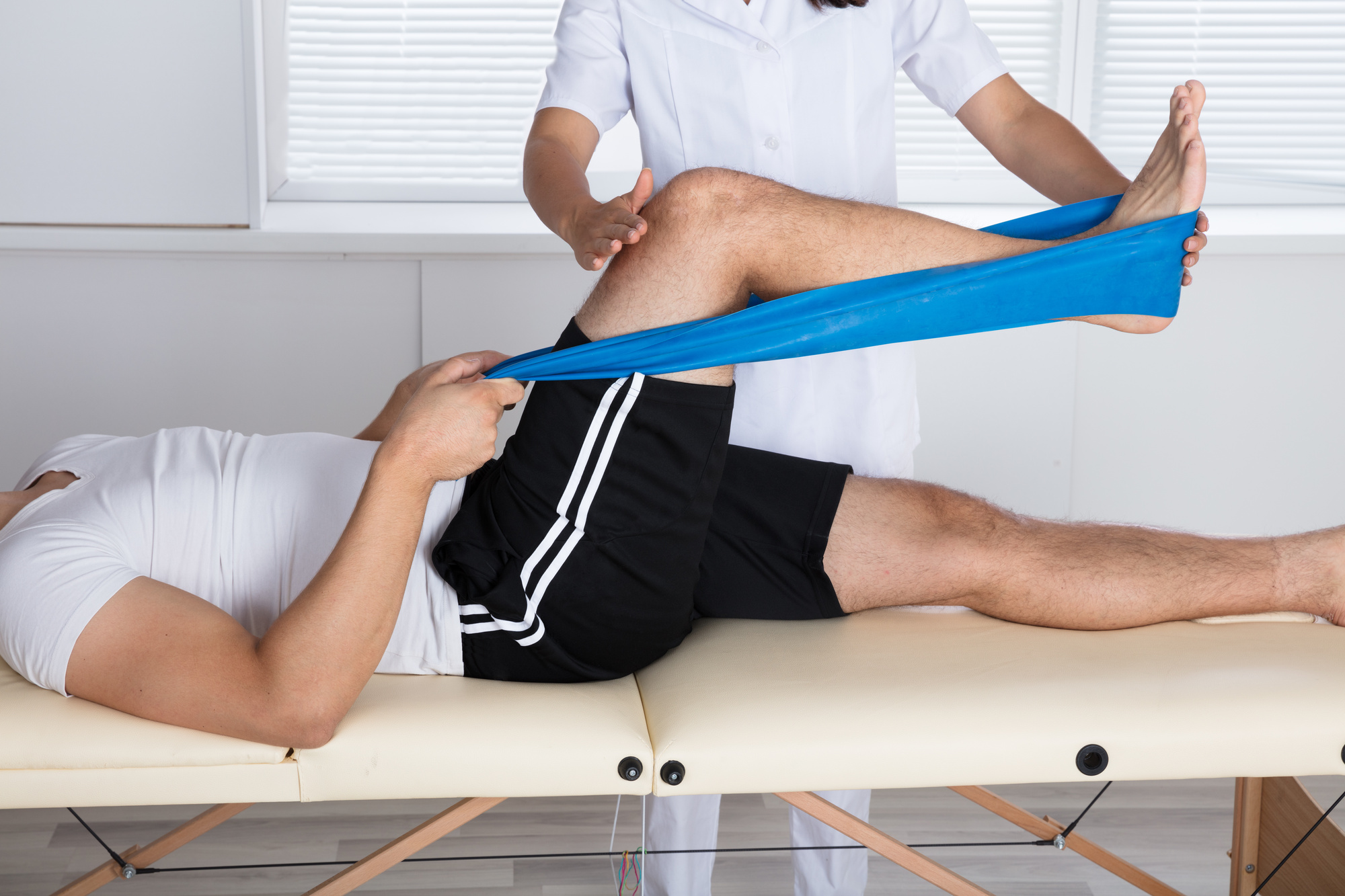
Physical therapy (PT) after hernia surgery focuses on restoring movement, rebuilding strength, and helping your body heal properly. It’s not just for athletes. PT is for anyone who wants a smoother, safer recovery. PT generally includes gentle mobility work, core stabilization, and gradual strengthening tailored to your stage of healing.
Why is PT Important After Surgery?
Well, it is essential for many reasons.
PT…
- Improves mobility and flexibility
- Reduces pain and inflammation
- Rebuilds core strength safely
- Lowers the risk of reinjury or complications
Strength Training After Hernia Surgery
I continue to believe that strength training is essential (regardless of if you have had surgery). As I have talked about in my social media posts, strength training changed my life. 20 years ago, I caught a pregnant nurse who fell in an OR. Afterwards, I battled severe back pain for years. It was hard for me to get through a day of seeing patients, let alone performing 8-10 hernia repairs. I started lifting weights and strength training, and it saved me. Now, after working with a strength coach for the last several years, my back feels better than it did before the incident. I have no pain operating, seeing patients, or with any activities in my daily life. Strength training is worth it.
Groin Strain and Pain
Some discomfort in the groin area is normal, especially in the early weeks following your surgery. You may feel tightness, pulling, and even sharp sensations with movement. This is normal, and it is your body healing. Most of the time, you’ve just overdone it. A little bit of rest should be all that you need!
However, worsening or persistent pain should be evaluated to rule out complications.
How to Get Out of Bed (A Patient Favorite)
This is one of the most common questions I get in my daily practice…and for good reason.
Getting out of bed in the morning is almost second nature. That is, until you had surgery on one/both of your groins. We recommend the following steps:
- Roll onto your side
- Bend your knees slightly
- Use your arms to push your upper body up
- Let your legs drop off the side of the bed
This minimizes strain on your core and protects your repair.
Wrapping Up
Recovery after hernia surgery is a process. But, with the right approach, most patients return to full activity without issues. Focus on gradual progression, listen to your body, and don’t skip the basics like mobility and core strength! PT and Strength training are methods that I swear by… and are worth your time.
Stay tuned for May, where we will feature Dr. Nora Fullington in a month focused around WOMEN’S HEALTH!